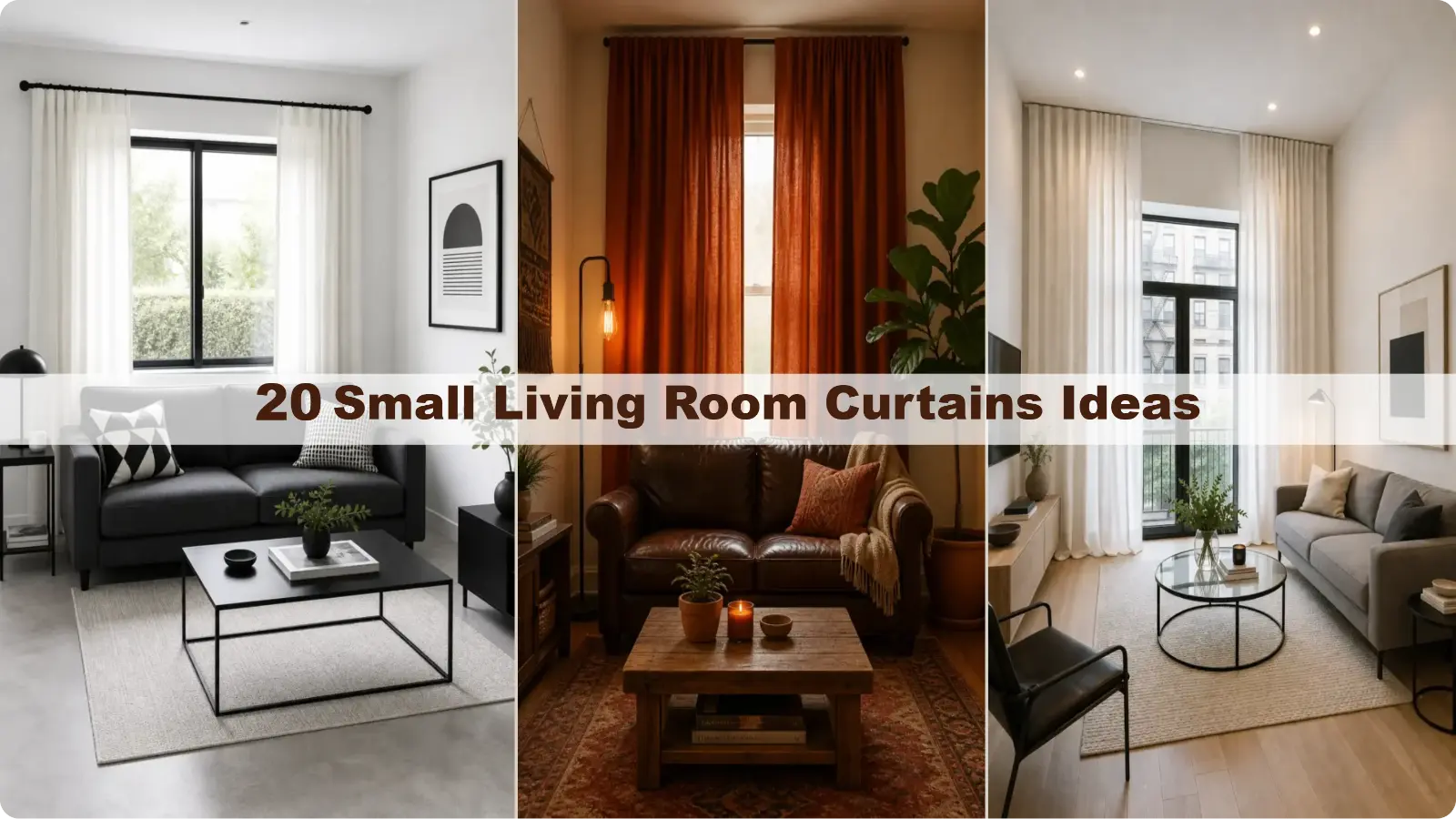
20 Small Living Room Curtains Ideas For A Cozy Look
Your living room deserves to feel cozy, beautiful, and completely yours — even if the space is small. The right curtains can change everything. Small living room curtains ideas are one of the most powerful yet underestimated tools in home decorating, and I’ve seen even the most basic rooms transform dramatically with just one thoughtful window treatment change. Whether your space feels too dark, too cramped, or simply lacks personality, the right curtain choice addresses all of that at once.
In this collection, you will find 20 carefully chosen curtain ideas that bring warmth, style, and a genuine sense of coziness to compact living rooms of every kind. From soft sheer layers that flood your room with light to bold jewel-toned velvet panels that make a confident style statement, every idea here is practical, achievable, and visually inspiring. I’ve noticed that small rooms respond more dramatically to curtain changes than larger ones, which makes this one of the highest-impact upgrades you can make without renovation or a large budget. Browse through, find what speaks to your space, and get ready to fall in love with your living room all over again.
Sheer White Layers
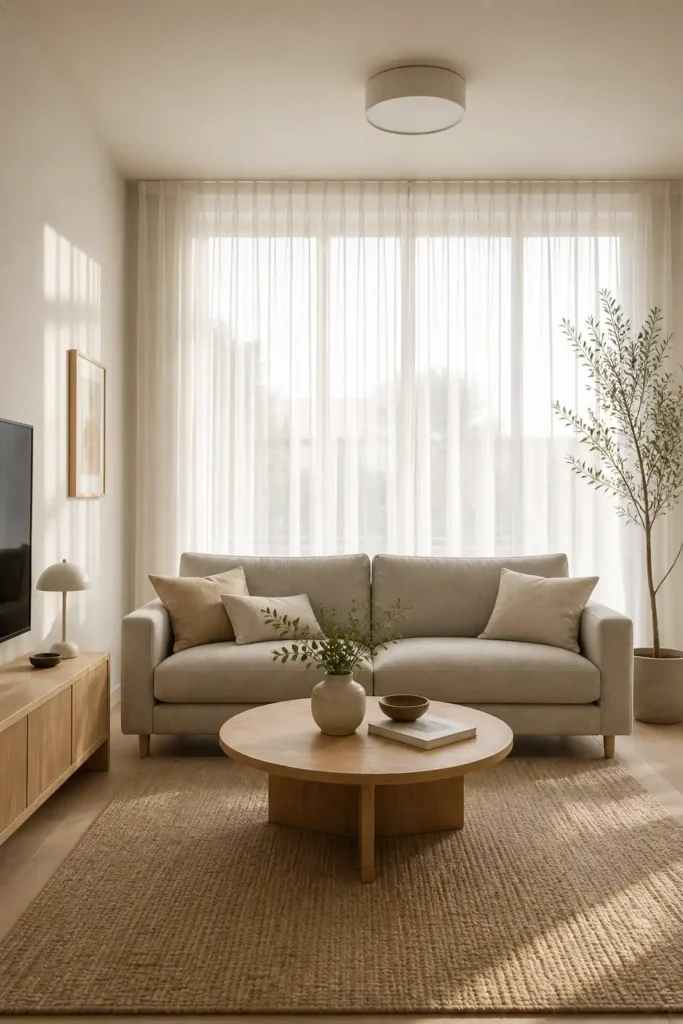
- Sheer white curtains make a tight space feel instantly larger and more open
- Soft diffused light removes harsh shadows that can make small rooms feel boxed in
- Layering sheers over blinds gives you privacy without sacrificing that bright, airy look
- White tones reflect light around the room, bouncing brightness into every corner
- This setup works especially well in rooms that face north or receive limited sunlight
There is something almost magical about what a pair of sheer white curtains can do to a cramped, dark living room. The moment natural light filters through that soft, translucent fabric, the entire space transforms. Walls feel farther apart. The ceiling seems to lift. I’ve noticed that even in the smallest apartments, this one simple change makes the room feel intentional and styled rather than crowded. It is one of those upgrades that costs very little but delivers a visual result that looks effortlessly expensive and well-designed every single time.
Sheer curtains work because they do two jobs at once. They soften the window as a visual element while keeping the room flooded with daylight. In my experience, the biggest mistake people make in small living rooms is choosing heavy drapes that swallow the window completely and block precious light. Going sheer solves that immediately. Hang them high, close to the ceiling, and extend the rod a few inches beyond the window frame on each side. This simple trick creates the illusion of a wider, taller window and gives the whole room a more spacious, polished, and Pinterest-worthy feel.
Velvet Emerald Panels
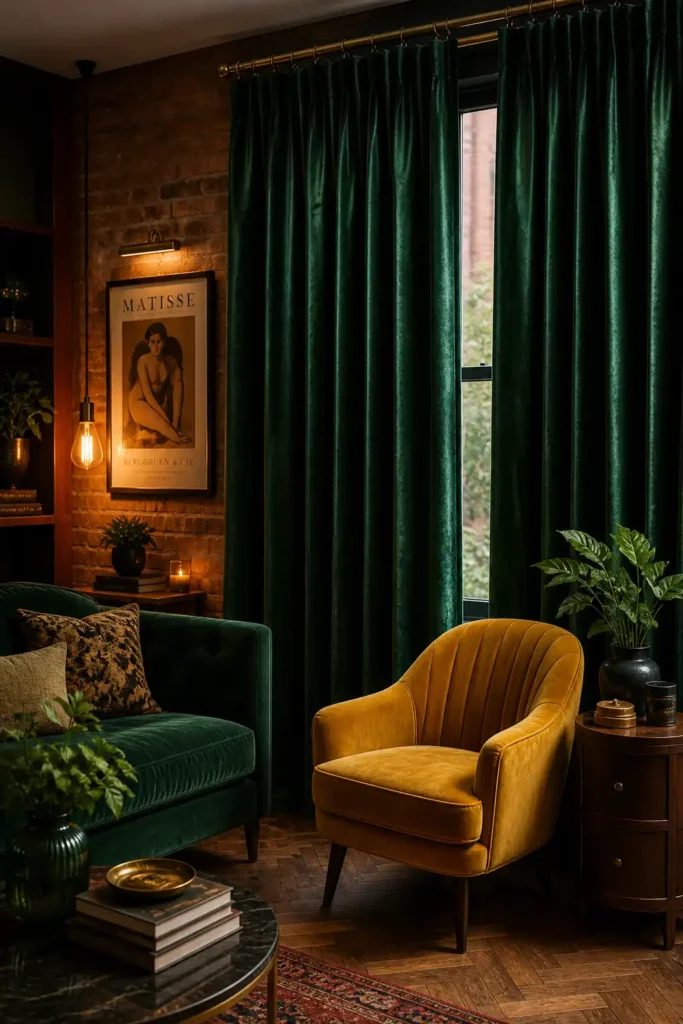
- Deep jewel-tone curtains create a bold focal point that draws the eye instantly
- Velvet fabric adds texture and warmth, making a small room feel curated and layered
- Emerald green pairs beautifully with warm wood, brass, and earthy neutral tones
- Heavy velvet panels also improve acoustics and reduce outside noise noticeably
- This idea works best in rooms with at least one strong natural or artificial light source
Bold color in a small room does not shrink the space. It actually does the opposite when used correctly. Emerald green velvet curtains act as a stunning anchor in a compact living room, pulling the entire design scheme together with one strong visual move. That’s why many designers recommend committing to one rich, saturated color in a small space rather than playing it overly safe with neutrals. The velvet texture catches light beautifully, creating soft highlights and shadows across the fabric throughout the day, and the result is a room that feels deliberately designed, deeply cozy, and completely unforgettable to anyone who walks in.
What makes velvet curtains especially powerful in small living rooms is their ability to add perceived weight and luxury without requiring extra furniture or decor. I’ve seen this work beautifully in compact city apartments where the living room doubles as a lounge and entertaining space. The richness of the fabric immediately elevates the entire room’s atmosphere. Pair emerald panels with warm brass hardware on the curtain rod and a few complementary earth-toned cushions on the sofa. Keep the rest of the decor minimal so the curtains remain the clear statement piece. The contrast between bold fabric and simple surroundings creates a perfectly balanced, high-impact small space design.
Striped Vertical Patterns
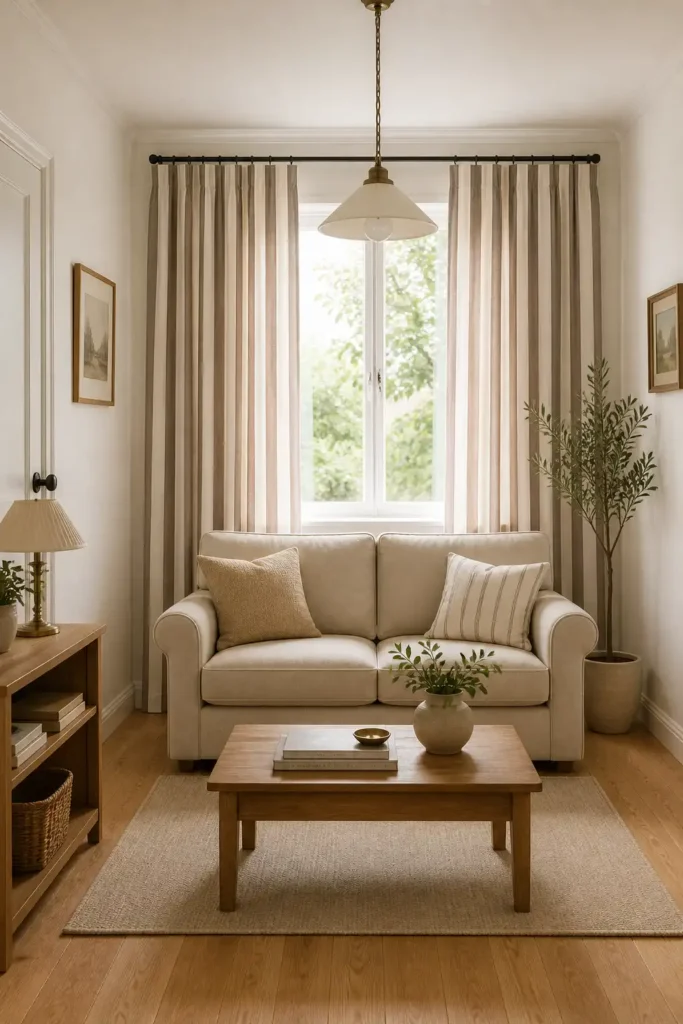
- Vertical stripes draw the eye upward, making low ceilings appear noticeably taller
- The pattern adds visual interest to plain walls without using artwork or wallpaper
- Neutral stripe colors keep the look fresh, modern, and easy to style around
- Thin, evenly spaced stripes feel more elegant than bold or widely spaced ones in small rooms
- This idea is ideal for rooms where the window is the main wall feature
Vertical stripes are one of the smartest optical tricks you can use when working with small living room curtain ideas on a limited budget. The eye naturally follows lines upward, and when those lines run floor to ceiling across your window panels, the entire room feels taller almost immediately. It is a principle borrowed directly from fashion and interior design, and it works just as reliably on your walls as it does on a tailored blazer. Rooms that feel squat or boxy benefit the most from this approach, and the transformation is noticeable from the moment you step through the door and glance toward the window.
Choosing the right stripe scale matters more than most people realize. In a small living room, finer and more closely spaced vertical stripes tend to read as more refined and elegant, while very wide stripes can feel overwhelming and visually loud in a tight space. Soft color combinations like cream and taupe, white and warm grey, or ivory and sage green work beautifully because they add pattern without competing with your existing furniture. I’ve noticed that pairing striped curtains with a plain, solid-colored sofa creates a perfect visual balance, giving the room structure and personality while keeping the overall feel calm, cohesive, and easy to live with every day.
Linen Natural Tones
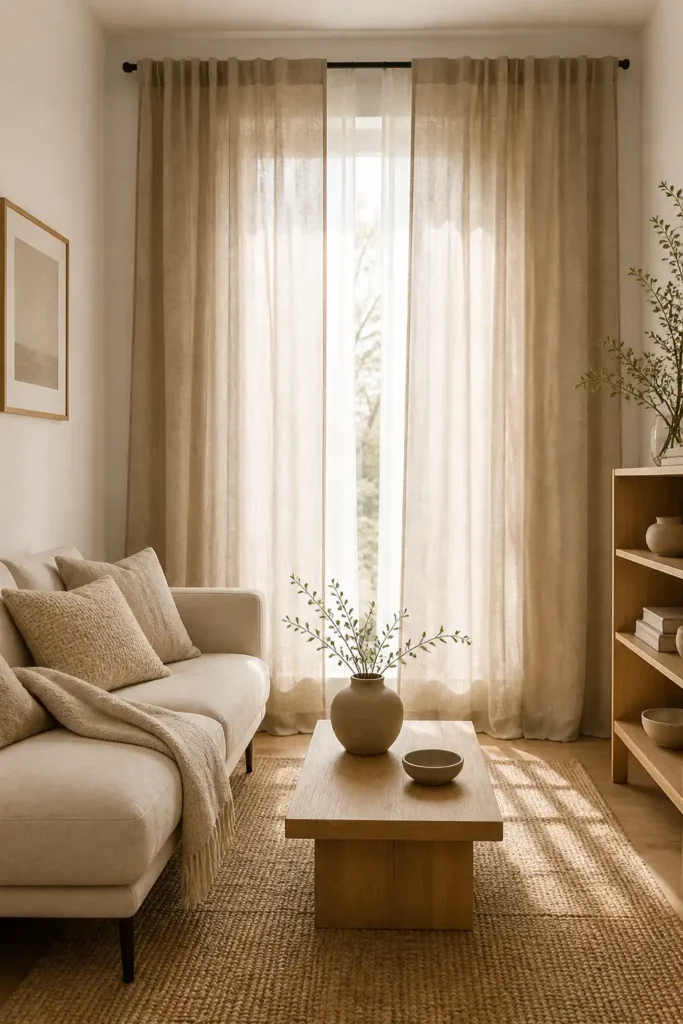
- Natural linen brings warmth and texture to a room without adding visual heaviness
- The organic, slightly wrinkled drape of linen looks effortlessly relaxed and styled
- Warm neutral tones in linen work with almost any existing furniture color palette
- Linen filters light beautifully, creating a soft golden glow during morning and afternoon hours
- This look ages gracefully and actually gets better and more character-rich over time
Few fabrics feel as naturally at home in a small living room as linen. There is an honest, quiet beauty to it that no synthetic fabric can replicate. The way it hangs loosely, catches warm light, and adds subtle texture to a plain wall makes it one of the most reliable curtain choices for creating a cozy yet uncluttered space. I’ve noticed that linen curtains in oatmeal or warm sand tones have a grounding effect on a room, making it feel settled and lived-in in the best possible way, like the space has been thoughtfully put together over time rather than styled overnight.
What makes linen particularly smart for smaller living rooms is its visual lightness combined with its ability to add genuine warmth. Unlike heavy drapes that can close a space in, linen panels stay airy even when drawn fully across the window. The fabric moves gently with any air circulation, adding a quiet, organic liveliness to the room. That’s why many designers recommend linen for compact spaces where the goal is comfort without clutter. Pair these curtains with raw wood furniture, woven baskets, and simple greenery to build a full Japandi or natural organic aesthetic that feels both Pinterest-worthy and genuinely relaxing to spend time in.
Ceiling-Mounted Rods
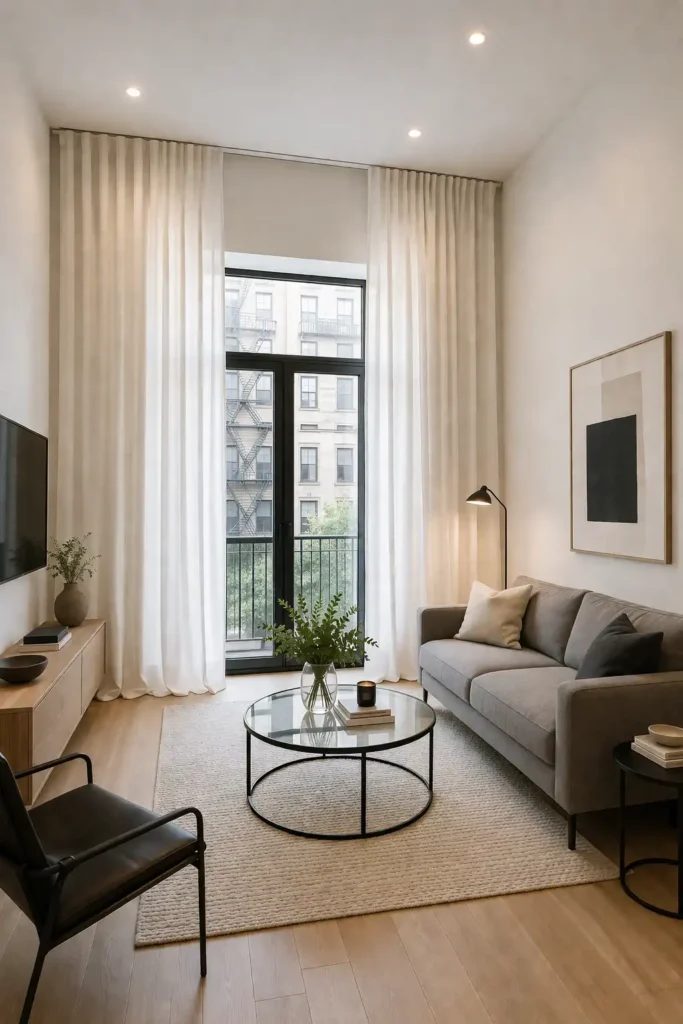
- Hanging rods at ceiling height visually stretches the entire wall from floor to ceiling
- Long curtain panels that graze or pool on the floor reinforce the illusion of height
- This technique works in any room regardless of actual window size or placement
- It makes even a small, standard window look grand, architectural, and intentional
- The result feels more like a designed interior than a simple window treatment
Mounting your curtain rod at ceiling height instead of just above the window frame is one of the single most effective design moves you can make in a small living room. The difference in how the room feels before and after is genuinely striking. When the fabric travels from ceiling to floor in one uninterrupted vertical line, your eye reads the full wall height rather than stopping at the window trim. I’ve seen this simple repositioning transform a room that felt average and forgettable into one that feels considered, spacious, and architecturally interesting, all without changing a single piece of furniture or repainting a single wall.
The key to making ceiling-mounted rods work effectively is choosing curtain panels that are long enough to reach the floor with a slight break or gentle pool. Panels that stop awkwardly mid-wall or hover inches above the floor immediately undercut the effect you are trying to create. Measure carefully before purchasing and always size up rather than down. In my experience, adding just five to ten extra inches of fabric length makes a significant visual difference. Combine this technique with a light, solid-colored fabric in white, ivory, or soft grey to keep the look clean, modern, and genuinely effective at making your small living space feel far larger than its actual square footage.
Dual Layer Drapes
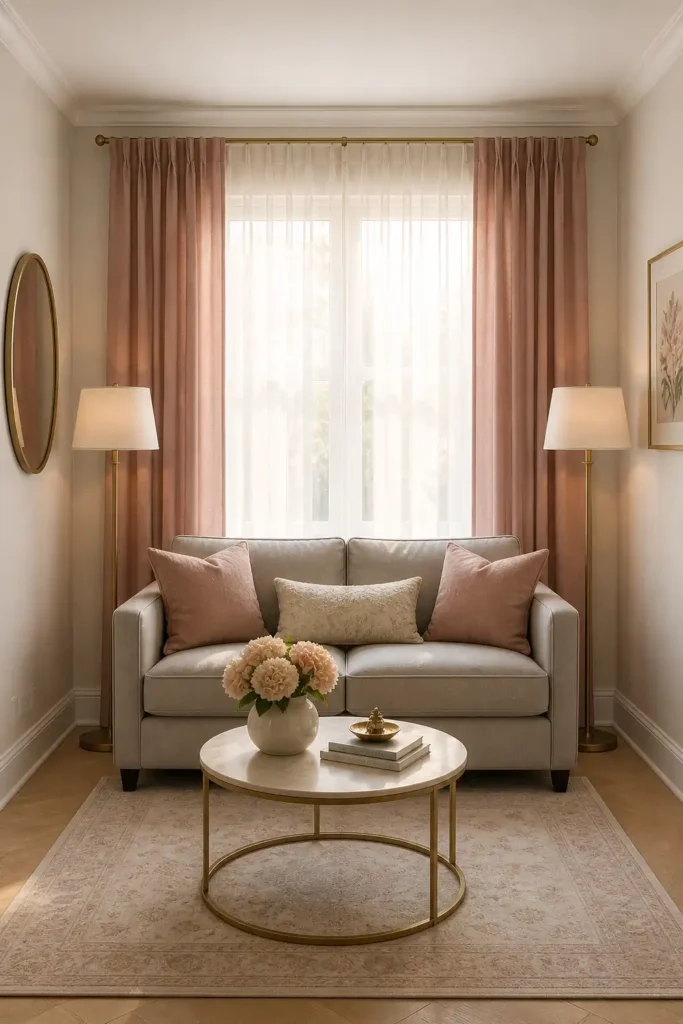
- Dual layers give you full control over light and privacy throughout the day and evening
- The combination of sheer and solid panels adds depth and a luxurious layered look
- Contrasting colors between layers create a subtle, sophisticated visual detail at the window
- This setup allows you to shift the room’s mood completely just by adjusting the panels
- Works beautifully in living rooms that serve multiple purposes, like lounging and working
Dual-layer curtains solve one of the most common frustrations in small living rooms: choosing between natural light and privacy. With a sheer panel behind a heavier outer drape, you no longer have to make that trade-off. During the day, pull the outer panels to the sides and let the sheers do their work, flooding the room with soft, diffused light while keeping the interior from feeling exposed. In the evening, close the outer drapes for full privacy and warmth. I’ve tried this setup in my own space and the flexibility it offers completely changes how comfortable and functional the room feels at different times of day.
The layered look also adds genuine visual richness to a compact living room without requiring additional decor. A single window dressed in dual curtain layers immediately reads as more designed and intentional than one with a single panel. Choosing complementary colors for the two layers, such as ivory sheers paired with dusty rose or warm grey outer panels, creates a soft color story right at the window that anchors the entire room’s palette. That’s why many designers recommend this treatment specifically for small spaces where every design decision needs to work harder and deliver more than one benefit at the same time.
Rust Burnt Orange Curtains
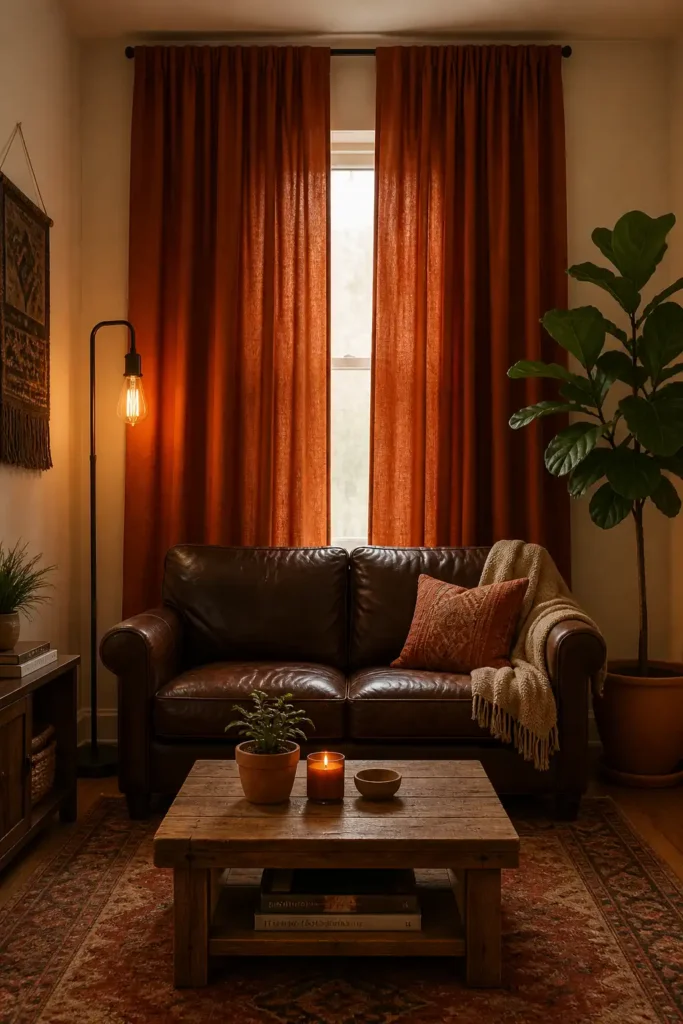
- Rust and burnt orange tones bring instant warmth and autumnal coziness to any small space
- This color pairs naturally with brown leather, warm wood, and terracotta accents
- Matte fabric in warm tones absorbs light softly, creating a cave-like, intimate atmosphere
- These curtains work as a strong seasonal anchor that makes the room feel intentional year-round
- The earthy palette connects the indoors with nature, adding a grounded, organic feeling
Warm earthy tones like rust and burnt orange are seriously underused in small living room design, and that is a missed opportunity. These colors do something that cooler neutrals simply cannot: they wrap a room in warmth. The moment you hang deep orange curtains in a compact space, the room immediately feels cozier, more intimate, and far more inviting. I’ve noticed that rooms decorated with earthy curtain tones tend to feel genuinely lived-in and welcoming rather than sterile or overly styled. The color itself does the emotional heavy lifting, making guests feel relaxed and comfortable the second they walk through the door and settle in.
Burnt orange and rust tones work particularly well in small living rooms because they visually advance the walls, creating a snug, enclosed feeling that actually becomes a design asset rather than a flaw. Instead of fighting the compact size of the room, this color choice leans into it and transforms it into something cozy and intentional. That’s why many designers recommend warm jewel and earth tones for rooms where intimacy is more desirable than the illusion of openness. Pair these curtains with warm white or cream walls, natural wood furniture, and soft amber lighting to build a fully cohesive, deeply cozy atmosphere that photographs beautifully and feels even better in person.
Minimalist Black Frames
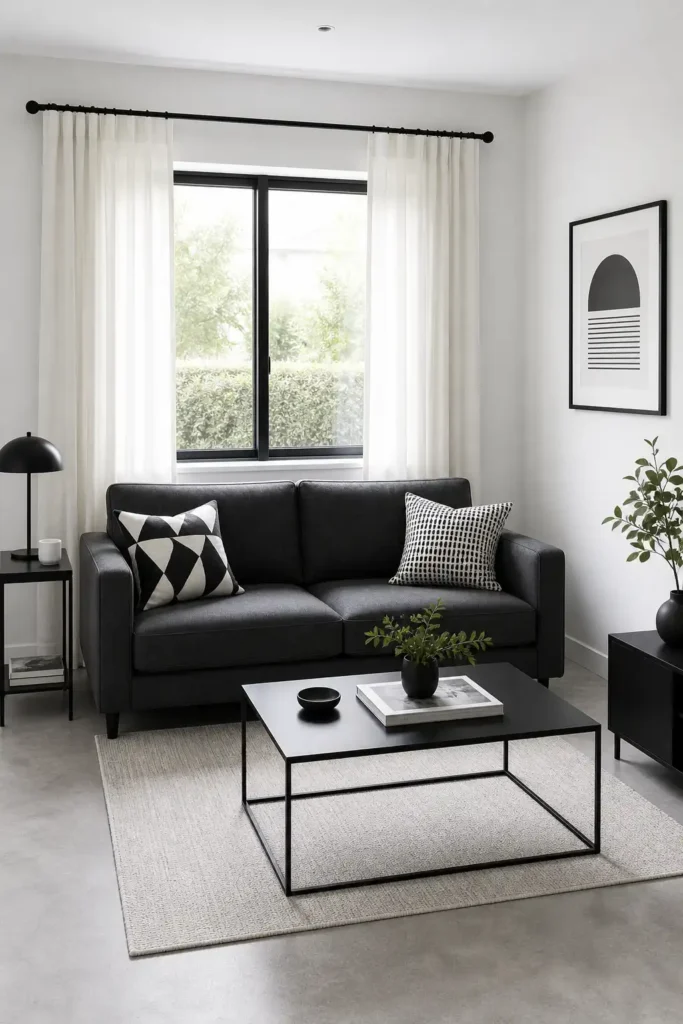
- Matte black curtain rods act as a clean graphic accent that sharpens the entire room’s look
- Black hardware against white walls creates strong visual contrast with minimal effort
- This detail ties together other black accents in the room, like frames, legs, or lamp bases
- The combination of black rods and light fabric feels modern, editorial, and intentional
- Works especially well in Scandinavian, industrial, and contemporary minimalist interiors
Sometimes the curtain rod matters just as much as the curtain fabric itself. A matte black curtain rod is one of those small, specific details that interior designers rely on to sharpen a room and give it a finished, cohesive look. In a small living room, this single hardware choice creates a strong visual line across the wall that anchors the window area and frames it like a piece of architecture. I’ve noticed that rooms where the curtain hardware matches other metal accents, like coffee table legs, lamp bases, or picture frames, feel significantly more pulled together and designed than rooms where these details are left uncoordinated and mismatched.
The beauty of this approach is its simplicity. You do not need to invest in expensive fabric or elaborate window treatments to achieve a high-end result. A clean, slim matte black rod paired with simple off-white or light grey linen panels delivers a look that feels both modern and timeless. The contrast between the dark hardware and the pale fabric draws the eye to the window in a way that feels intentional and confident. That’s why many designers recommend this combination as a starting point for anyone wanting to elevate a small living room quickly and affordably, without committing to a dramatic color or pattern that may feel overwhelming in a tight space.
Patterned Botanical Prints
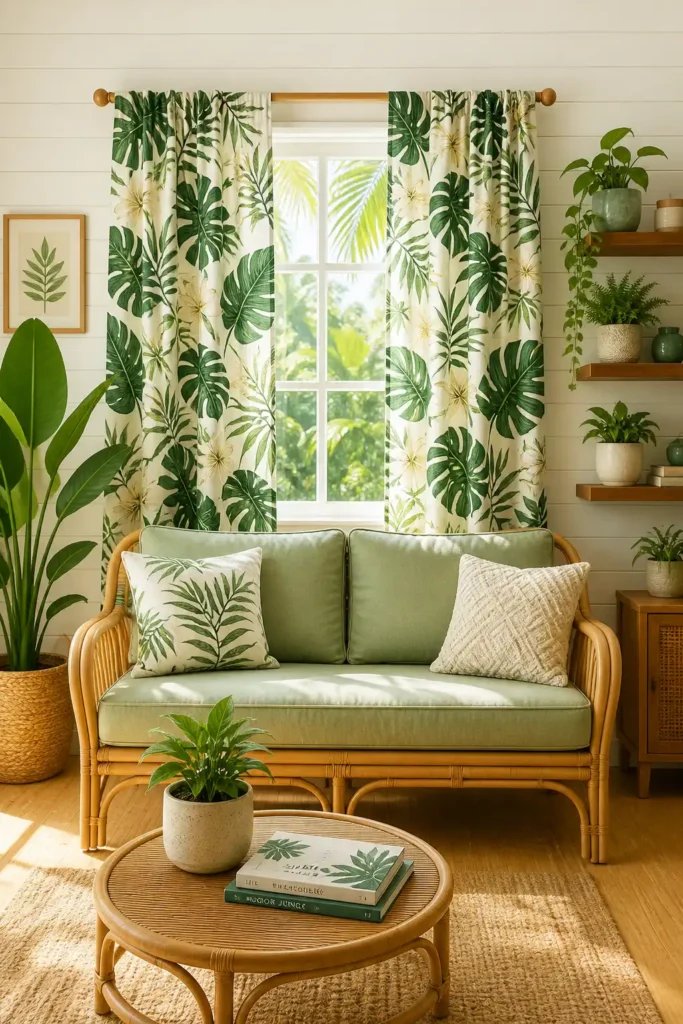
- Botanical print curtains bring the feeling of nature indoors without needing real plants
- Large-scale leaf patterns add bold personality to a plain, neutral small living room
- Green and cream tones in botanical prints feel fresh, organic, and easy to style around
- This pattern works as a statement piece that removes the need for additional wall decor
- Ideal for rooms with natural materials like rattan, bamboo, jute, or reclaimed wood
Bringing a nature-inspired print into a small living room through your curtains is one of the most creative and visually rewarding design decisions you can make. Botanical curtains featuring oversized tropical leaves or garden-inspired motifs instantly transform a plain, boxy room into something that feels alive, layered, and full of personality. The organic shapes in the print soften the hard edges of furniture and walls, creating a more relaxed and flowing visual rhythm throughout the space. I’ve seen this work beautifully in compact apartments where adding real plants everywhere is not always practical, but the desire for a fresh, nature-connected atmosphere is very real and strong.
What makes botanical print curtains especially effective in small spaces is how much visual work they do on their own. A single window dressed in a bold leaf-print fabric immediately becomes the room’s focal point, which means you can keep the rest of the decor deliberately simple and restful. Choose prints where the background color matches or closely coordinates with your walls to keep the space feeling open rather than busy. Deep green leaves on a soft white or cream background are particularly versatile and work across multiple interior styles, from coastal and tropical to Scandinavian-natural and bohemian. The result is a room that feels curated, joyful, and genuinely connected to the natural world outside.
Pastel Pink Softness
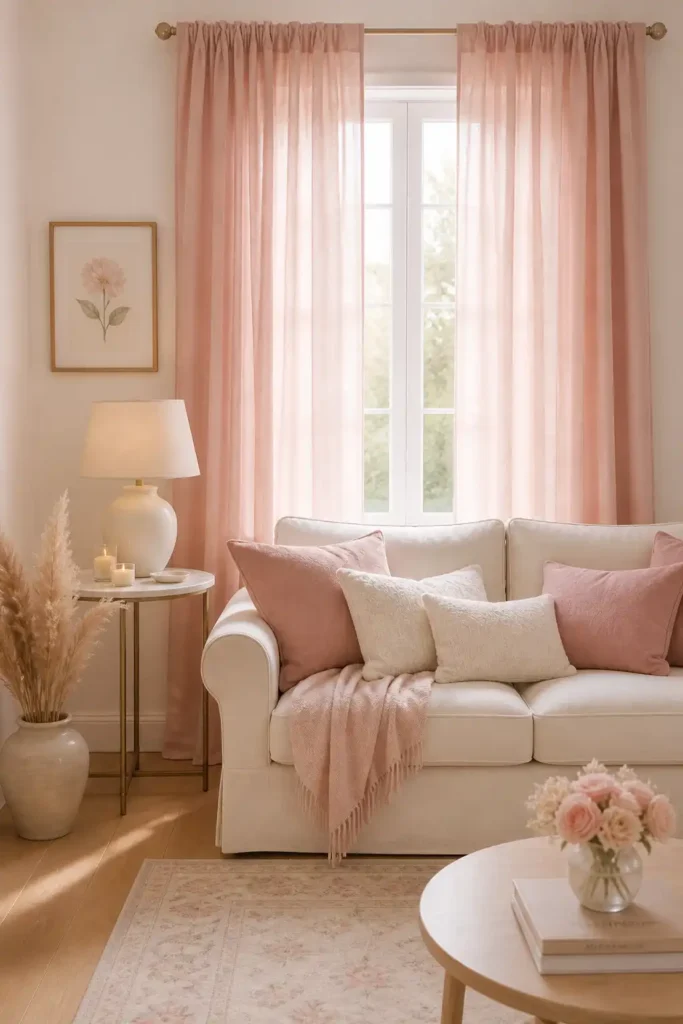
- Blush pink curtains create an instantly soft, romantic atmosphere without feeling overdone
- This color reflects warm light beautifully, giving the room a gentle rosy glow all day
- Pastel pink pairs effortlessly with white, cream, gold, and soft grey tones
- The lightness of the color keeps the room feeling open and airy rather than closed in
- This look works especially well in living rooms that double as reading or relaxation nooks
Soft blush pink curtains have a quiet power that is easy to underestimate until you see them hanging in an actual room. The color does not shout for attention. Instead it creates a warm, enveloping glow that makes the entire space feel gentle and welcoming. In a small living room where the goal is comfort and relaxation, that kind of soft emotional warmth is genuinely valuable. I’ve noticed that rooms dressed in pastel pink tones tend to feel more restful and calming than those styled in cooler or more neutral shades, and that quality makes a real difference in how much time you actually want to spend inside the space daily.
The practical advantage of blush pink in a compact room is that it sits close enough to neutral to work with a wide variety of furniture and decor styles without clashing. It reads as a color without the visual weight or commitment of deeper tones like navy or forest green. Lightweight cotton or linen fabric in this shade will filter natural daylight into a soft, warm hue that shifts beautifully throughout the day from morning brightness to golden afternoon warmth. That’s why many designers recommend pale pink as an underrated alternative to the standard white or grey curtain choice for small living rooms that need personality, softness, and a touch of effortless charm all at once.
Monochrome Grey Tones
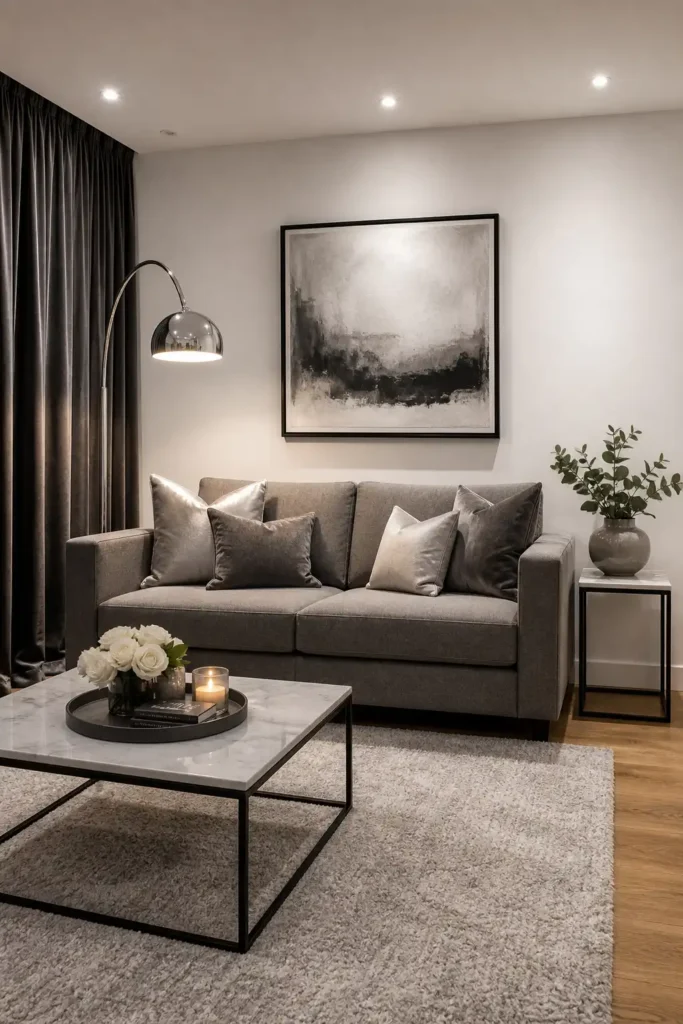
- A monochrome grey scheme creates a sophisticated, cohesive look that feels intentionally designed
- Layering multiple shades of grey adds depth and dimension without introducing additional colors
- Charcoal curtains ground the room visually while lighter grey furnishings keep it feeling open
- This palette is highly versatile and works as a perfect neutral backdrop for any accent color
- Grey tones photograph exceptionally well, making this an ideal choice for Pinterest-worthy interiors
A fully grey living room might sound safe or even boring on paper, but in practice it is one of the most quietly powerful interior choices you can make in a small space. The secret lies in layering. When you combine charcoal curtains with mid-tone grey upholstery and lighter grey textiles, the room develops a rich visual depth that a single flat color could never achieve alone. Each shade of grey reads slightly differently depending on the light source and time of day, which means the room shifts and evolves in a subtle but beautiful way from morning through evening. I’ve seen this approach completely transform a plain, unremarkable small living room into something that feels polished, calm, and genuinely sophisticated.
Grey curtains in deeper charcoal tones are particularly useful in small living rooms because they anchor the window wall with visual weight while allowing lighter furniture and walls to keep the space feeling breathable. The monochrome approach also simplifies decorating decisions significantly. Once your grey framework is in place, any single accent color you introduce, whether a warm terracotta cushion, a brass lamp, or a deep green plant, immediately pops with clarity and confidence. That’s why many designers recommend building a grey foundation first and layering personality on top gradually. It gives the room a professional, cohesive quality that looks effortful but is actually one of the most forgiving and flexible palettes available for compact living spaces.
Tied-Back Draped Style
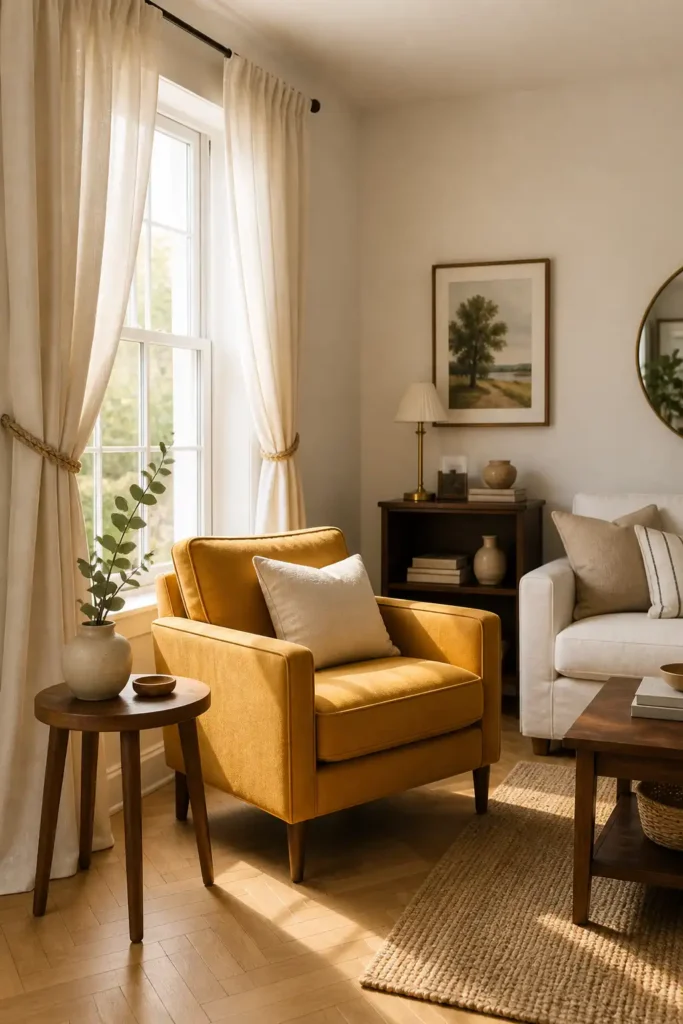
- Tieback styling opens up the window area and allows maximum natural light into the room
- The draped fabric creates an elegant, sculptural shape that adds visual softness to the window
- Rope or woven tiebacks add a natural, artisanal detail that complements organic decor styles
- This technique works with almost any curtain fabric, from linen to cotton to lightweight velvet
- Tied-back curtains frame the window like a picture, drawing attention to the view outside
The tied-back curtain style is one of those classic design techniques that never goes out of fashion because it solves a very real problem beautifully. In a small living room where natural light is precious, keeping curtains fully closed across the window during the day feels wasteful and visually heavy. Tying them back elegantly at mid-height gives you the best of both worlds: the decorative presence and softness of full-length curtain panels combined with an open, light-filled window that brightens the entire room. I’ve tried this styling approach with simple rope tiebacks and the difference in how open and welcoming the room feels throughout the day is immediately and consistently noticeable.
What makes tied-back curtains especially charming in compact spaces is the way the draped fabric creates a soft, flowing silhouette at the window that adds architectural interest without taking up any floor space. The gathered fabric catches light and shadow in a way that flat, hanging panels simply cannot, giving the window area a three-dimensional, almost sculptural quality. Choosing the right tieback material matters here. Woven rope, leather loops, or even a simple strip of matching fabric all work well and each brings its own distinct character to the look. Keep the rest of the window treatment simple and let the tieback detail be the quiet, elegant focal point that completes the room’s overall design story.
Cafe Style Half Curtains
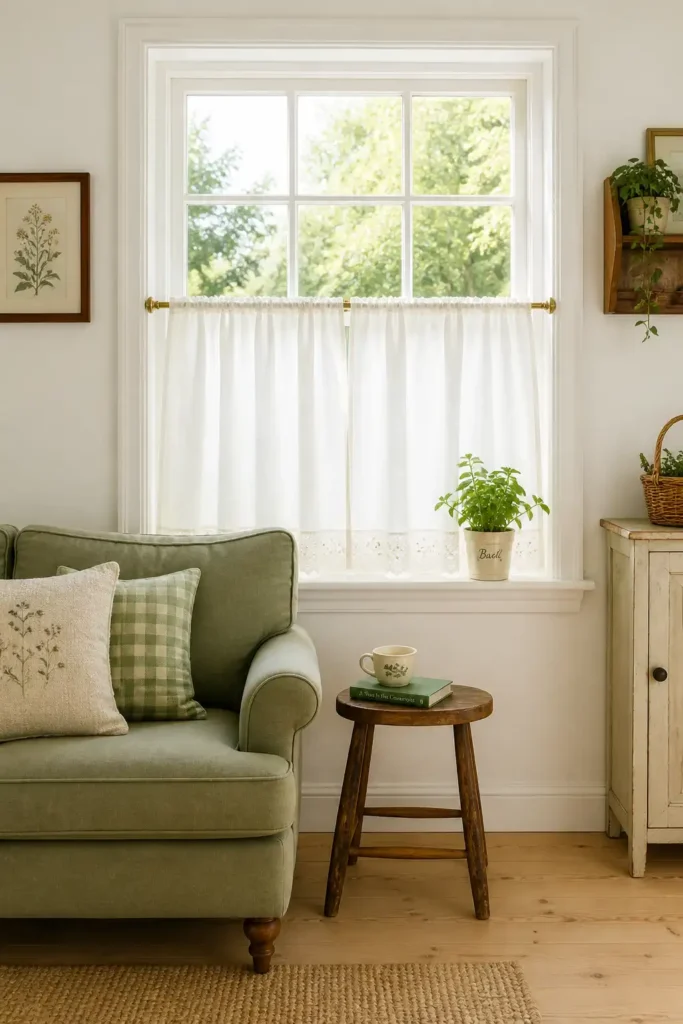
- Cafe curtains cover only the lower window, keeping the upper half completely open for light
- This style is perfect for ground-floor rooms where privacy near street level is a genuine concern
- The exposed upper window floods the room with bright, unobstructed natural daylight
- Half curtains feel relaxed, casual, and charming without looking unfinished or incomplete
- This approach works beautifully with small windowsill displays, plants, or decorative objects
Cafe-style half curtains are one of the most underrated window treatments available for small living rooms, and once you understand what they actually do for a space, it becomes very hard to overlook them. By covering only the lower portion of the window, they solve the privacy problem without sacrificing the natural light that makes a small room feel breathable and open. The upper half of the window remains completely clear, allowing daylight to pour in freely across the ceiling and upper walls. I’ve noticed that rooms using this technique feel significantly brighter and more spacious than those with full-length panels, especially in street-level apartments where some privacy coverage is genuinely necessary every single day.
The casual, relaxed character of cafe curtains also brings a warmth and charm to a small living room that more formal window treatments rarely achieve. They feel unpretentious and approachable, like a room that was designed for real living rather than a styled photoshoot. That quality is deeply appealing on Pinterest, where audiences consistently respond to spaces that feel authentic and livable. Choose simple white cotton, soft linen, or a delicate printed fabric for the panels and mount them on a slim brass or matte black rod for a clean, finished look. Add a small plant or a few decorative objects to the exposed windowsill above and you instantly create a layered, cottage-inspired vignette that is both practical and genuinely beautiful.
Geometric Bold Prints
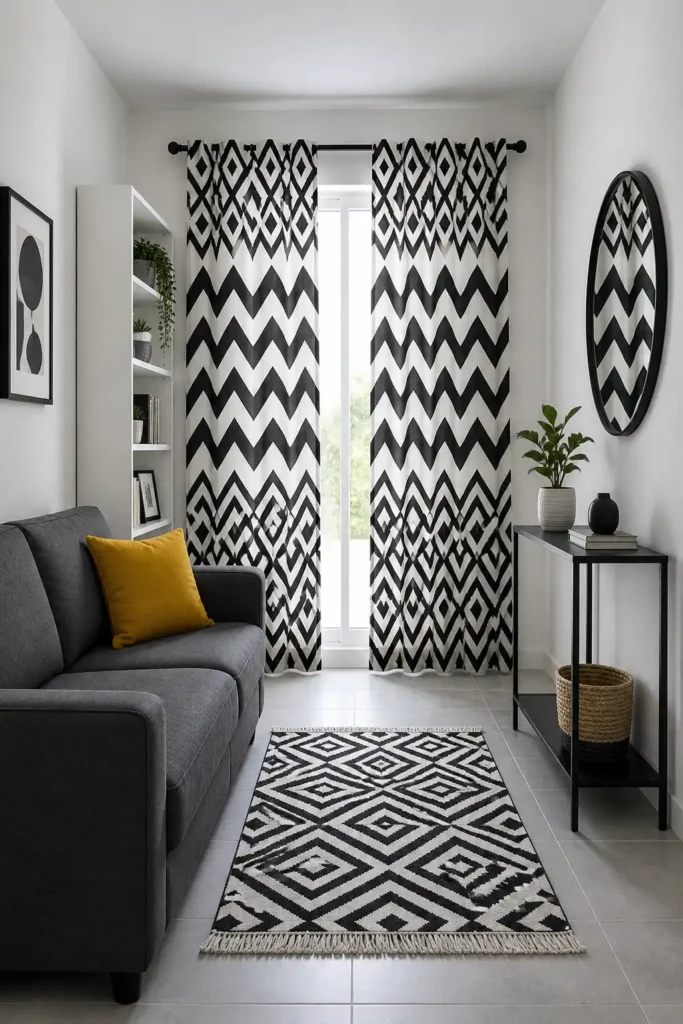
- Bold geometric prints create an instant focal point that gives a small room strong visual identity
- Black and white patterns work with virtually any furniture color without clashing or overwhelming
- The repeating pattern draws the eye across the full length of the curtain, emphasizing height
- Geometric prints add a modern, graphic energy that makes a neutral room feel dynamic and alive
- This style works especially well as the single statement piece in an otherwise minimal interior
A geometric print curtain in a small living room is essentially a piece of oversized wall art that also happens to cover your window, and that dual purpose makes it one of the most efficient design investments you can make in a compact space. The bold repeating pattern immediately commands attention and gives the room a strong, confident visual identity that plain or solid curtains simply cannot deliver. I’ve noticed that rooms which commit to one graphic, high-contrast element like this tend to look more intentionally designed and creatively considered than those that play it entirely safe with solid neutral tones throughout every surface and textile choice in the room.
The key to using geometric print curtains successfully in a small space is restraint everywhere else. When your window treatment is already making a bold graphic statement, the surrounding furniture and decor should step back and let it lead. A simple charcoal or medium grey sofa, clean white walls, and minimal accessories allow the pattern to breathe and perform without the room feeling visually chaotic or busy. That’s why many designers recommend pairing statement curtains with a deliberately simple interior framework. The contrast between the bold fabric and the calm surroundings creates a sophisticated tension that makes the room feel curated, modern, and far more visually interesting than its square footage might otherwise suggest to a first-time visitor.
Warm Terracotta Tones
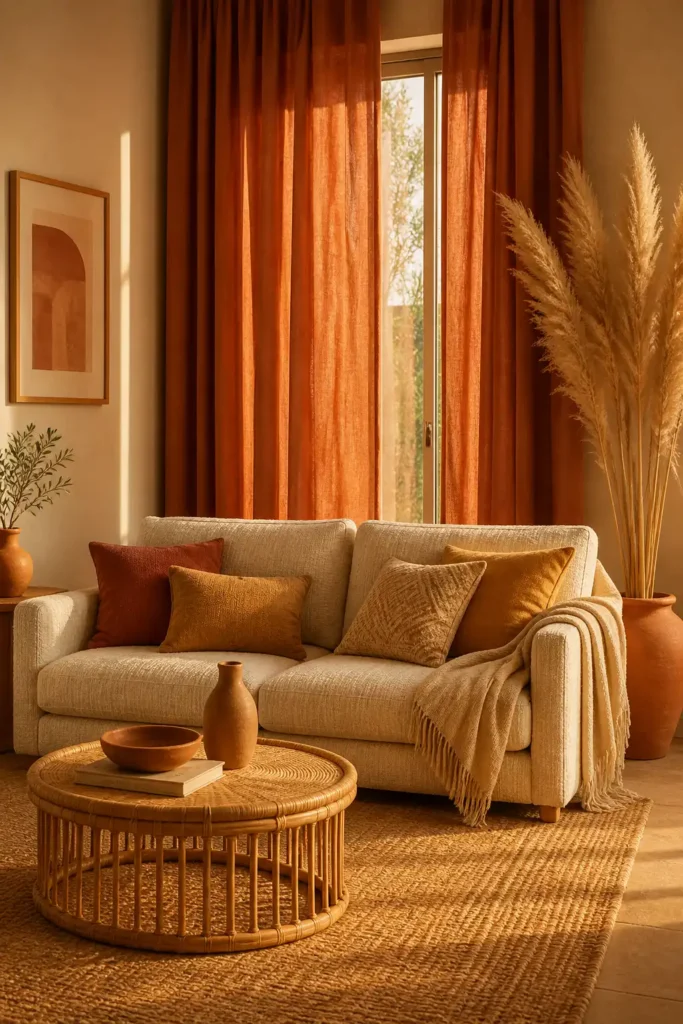
- Terracotta curtains bring a sun-warmed, Mediterranean warmth that makes small rooms feel inviting
- This tone works beautifully with natural textures like rattan, jute, linen, and raw wood
- The earthy warmth of terracotta complements both cream and white walls without clashing
- Floor-to-ceiling terracotta panels create a strong, grounding color anchor for the entire room
- This color is particularly effective in rooms with limited natural light that need warmth added artificially
Terracotta is one of those colors that seems to carry actual warmth within it, and in a small living room that quality is genuinely transformative. Hanging floor-to-ceiling terracotta curtains in a compact space immediately shifts the entire atmosphere from cool and neutral to warm, grounded, and deeply inviting. The color references sun-baked earth, handmade ceramics, and the kind of relaxed Mediterranean living that everyone instinctively finds appealing and restful. I’ve noticed that rooms decorated with terracotta tones feel inherently comfortable and easy to relax in, which makes this curtain choice particularly powerful in living rooms designed primarily around rest, conversation, and everyday enjoyment rather than formal presentation.
What makes terracotta especially practical as a curtain color in small spaces is its remarkable compatibility with a wide range of natural materials and neutral tones. Cream upholstery, raw rattan furniture, jute rugs, and wooden accents all sit comfortably alongside terracotta without any of them competing for visual dominance. The palette feels cohesive and harmonious in a way that more saturated or cooler colors sometimes struggle to achieve. That’s why many designers recommend terracotta as a foundational color for bohemian, earthy, or Mediterranean-inspired small living rooms. It creates an immediate sense of warmth, completeness, and design confidence that transforms even the most basic and modestly furnished compact space into something that feels richly considered and beautifully lived in.
Sheer Gold Shimmer
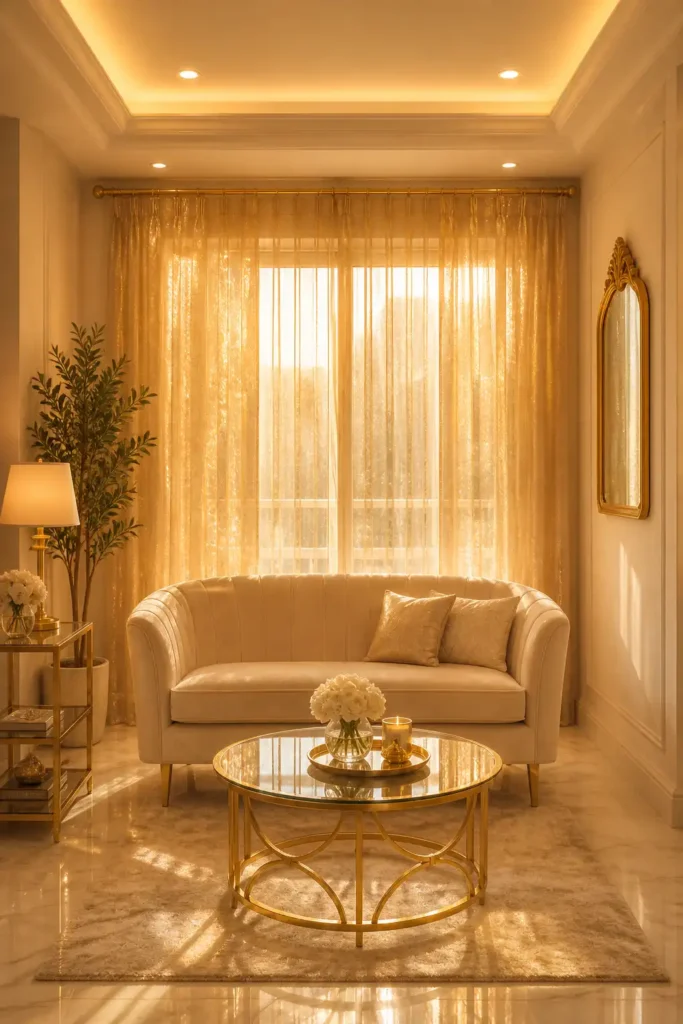
- Sheer gold or champagne curtains create a warm, glowing light effect when sunlight passes through
- The subtle shimmer adds a touch of quiet glamour without feeling overdone or overly formal
- Gold tones complement cream, ivory, warm white, and blush pink furnishings beautifully
- This curtain choice reflects light generously, making a small room feel brighter and more expansive
- Works especially well in rooms that receive direct afternoon or evening sunlight through the window
There is something genuinely luxurious about the way sheer gold or champagne curtains handle afternoon sunlight. As the light passes through the translucent fabric, it picks up the warm metallic undertones and casts a soft golden glow across the entire room that no lamp or overhead light can fully replicate. In a small living room, that quality of light completely changes the atmosphere, making the space feel warmer, richer, and more special than its size might suggest. I’ve noticed that this effect is particularly beautiful during late afternoon hours when the sun sits low and the golden tones in the fabric intensify naturally, turning an ordinary compact room into something that genuinely glows with warmth and quiet elegance.
The practical benefit of choosing sheer gold or champagne fabric is that it delivers visual impact and a sense of luxury without the heaviness or cost of more elaborate window treatments. The fabric itself does all the decorative work, acting simultaneously as a light filter, a color element, and a textural detail that elevates the entire room. Pair these curtains with ivory or cream furniture and keep metallic accents consistent throughout the space by choosing gold-toned lamp bases, picture frames, or small decorative objects. That’s why many designers recommend building a warm, monochromatic metallic palette around this curtain choice. The cohesion between the sheer fabric and the surrounding warm tones creates a beautifully unified, quietly glamorous small living room atmosphere.
Dark Navy Richness
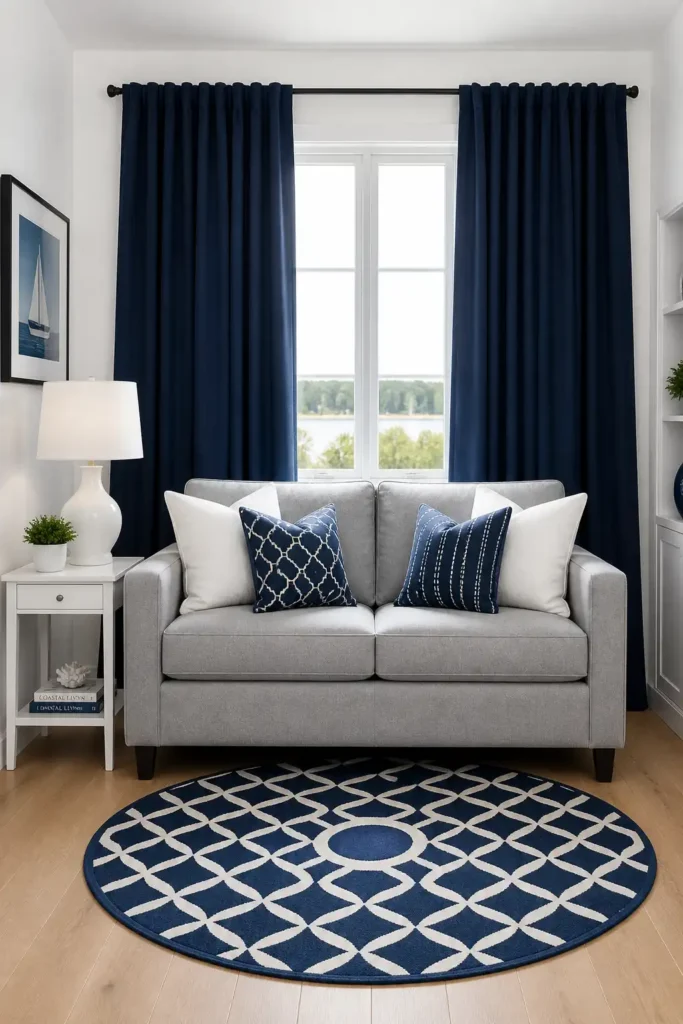
- Deep navy curtains create a striking, bold contrast against white or light grey walls
- The richness of navy adds depth and sophistication to a small room without visual clutter
- Navy pairs naturally with white, light wood, brass, and soft grey tones effortlessly
- Floor-to-ceiling navy panels make the ceiling feel higher by creating a strong vertical line
- This color works year-round and transitions beautifully from casual daytime to elegant evening
Deep navy curtains are one of the most quietly powerful choices you can bring into a small living room, and their impact consistently surprises people who hesitate over committing to such a strong color. Against a crisp white or light grey wall, that deep blue creates a contrast so clean and confident that the room immediately feels more designed and intentional than it did before. The color carries a timeless, almost architectural quality that feels equally at home in a modern city apartment and a classic cottage living room. I’ve seen navy curtains work beautifully across wildly different interior styles, which speaks to the remarkable versatility and staying power of this deeply satisfying and endlessly reliable color choice.
What makes navy particularly effective in compact spaces is the way it interacts with natural light throughout the day. In bright morning light, navy reads as a fresh, clean deep blue that energizes the room. As the light softens toward evening, it deepens into something richer and more intimate that makes the space feel cozy and enclosed in the most appealing way. That’s why many designers recommend navy as a curtain color for small living rooms that need to serve double duty, feeling open and inviting during the day while transitioning into something warmer and more atmospheric after dark. Pair with warm wood tones and brass hardware to soften the palette and prevent the deep blue from feeling cold or overly austere.
Layered Texture Mix
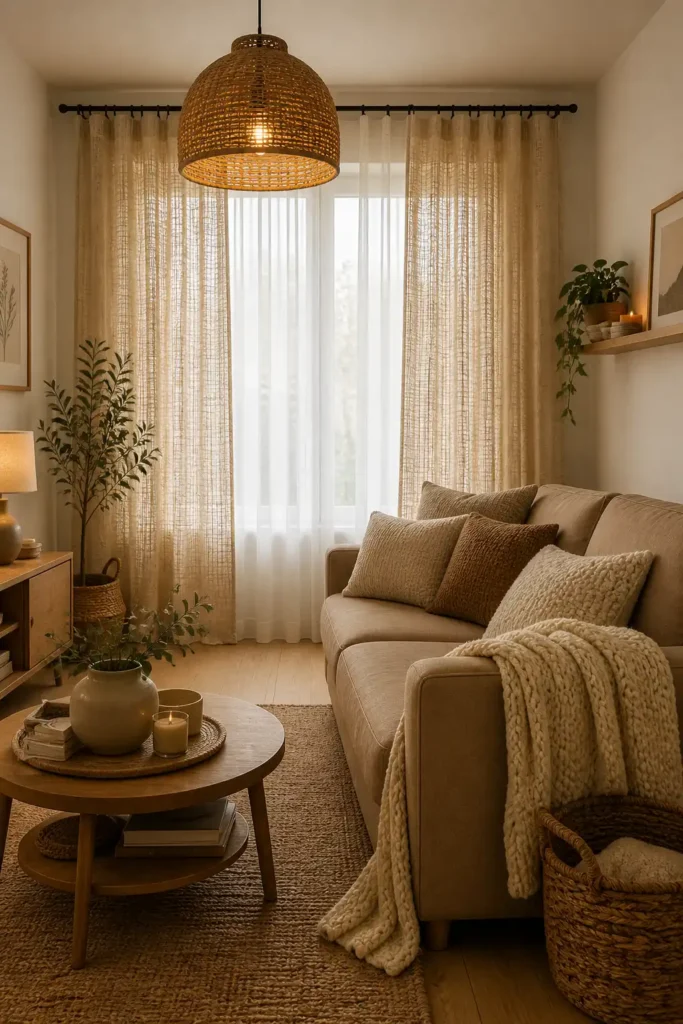
- Mixing curtain textures adds visual depth and tactile richness to a plain small living room
- Combining an open-weave outer panel with a sheer inner layer creates beautiful light filtering effects
- Layered textures make the window area feel more considered, styled, and intentionally designed
- This approach works beautifully within maximalist, bohemian, or cozy hygge interior styles
- The combination of textures adds warmth without introducing additional colors or patterns
Texture is one of the most underused tools in small living room design, and nowhere is that more apparent than at the window. Most people choose a single fabric and hang it simply, missing a genuine opportunity to create something far more visually interesting and layered. Combining two different curtain textures, such as a loosely woven open-weave panel over a soft sheer, introduces a complexity and warmth to the window area that immediately elevates the entire room. I’ve noticed that texture-layered curtains make a space feel more personal and considered than any single fabric choice ever could, adding the kind of quiet richness that invites people to look closer and stay longer inside the room.
The beauty of the layered texture approach is that it creates different visual effects depending on the light conditions at any given time of day. In bright daylight, light passes through both layers at different rates, creating subtle depth and shadow within the fabric itself. In the evening with interior lighting, the layers glow softly and warmly together, adding a cocoon-like quality to the room that feels deeply comfortable and inviting. Keep the color palette monochromatic within the textures, working entirely within cream, oatmeal, and warm white tones, to let the textural contrast speak clearly without any competing color distractions. That’s why many designers recommend this technique specifically for small spaces where warmth and depth are the primary design goals.
Floral Vintage Prints
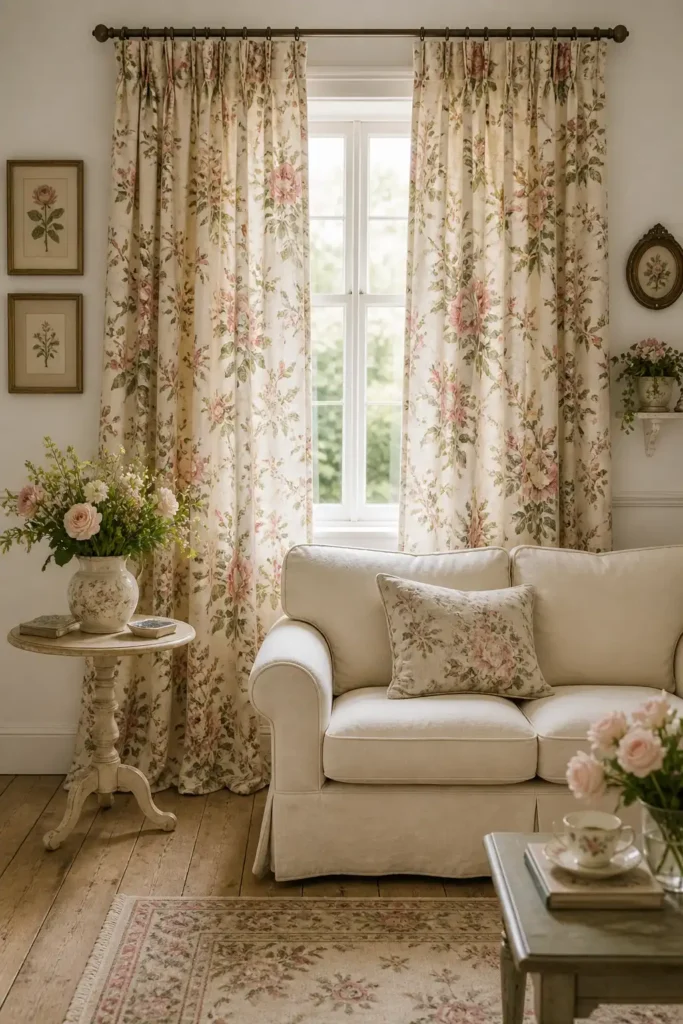
- Vintage floral prints bring a romantic, nostalgic charm that makes small rooms feel story-rich and warm
- Soft watercolor-style florals feel lighter and more airy than bold graphic floral patterns
- Blush, sage, and cream tones in floral prints coordinate naturally with a wide range of furniture
- This curtain style creates a strong vintage character without requiring antique furniture pieces
- Floral curtains work as a complete decorative statement, reducing the need for additional wall art
Vintage floral curtains have a way of making a small living room feel like it has genuine history and character, even in a brand-new apartment with plain white walls and simple furniture. The soft, painterly quality of watercolor-style floral prints introduces an organic irregularity to the space that geometric or solid fabrics simply cannot replicate. Each flower and leaf in the pattern adds a tiny detail that rewards closer looking, making the curtains genuinely interesting as a decorative element rather than just a functional window covering. I’ve noticed that floral-printed rooms tend to feel more personal and emotionally warm than those styled exclusively around geometric or abstract patterns, creating an atmosphere that feels genuinely welcoming and deeply human.
The key to using vintage floral curtains successfully in a small living room is choosing prints where the background color closely matches your wall color, allowing the floral motifs to float softly rather than dominate aggressively. A cream or ivory background against white or warm white walls creates a seamless, gentle transition that keeps the room feeling open and light rather than visually busy. That’s why many designers recommend soft watercolor florals over high-contrast bold botanicals for compact spaces where visual harmony is essential. Complement the curtains with simple, clean-lined furniture in neutral tones and let the fabric tell the room’s entire decorative story with effortless, timeless, and quietly confident charm.
Warm Mustard Yellow
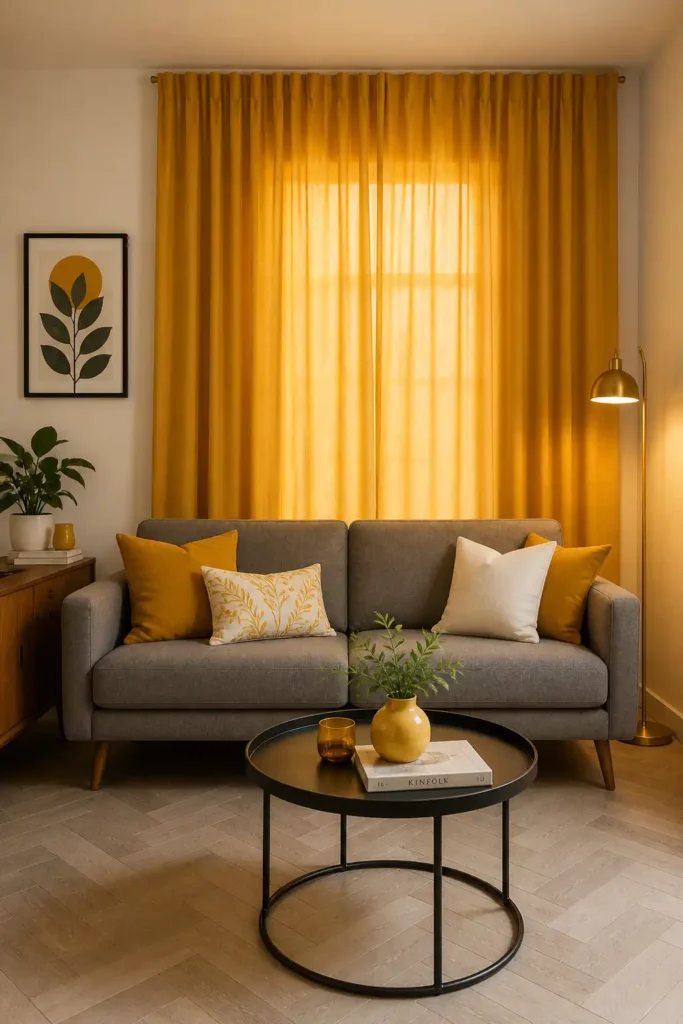
- Mustard yellow curtains inject immediate warmth, energy, and optimism into a small living room
- This bold tone creates a striking contrast against grey, white, and black furniture and accents
- Mustard yellow reflects warm golden light into the room, brightening darker or north-facing spaces
- The color works exceptionally well within mid-century modern, bohemian, and eclectic interior styles
- A single mustard curtain panel used as a half-width accent adds color without overwhelming the space
Mustard yellow is one of those curtain colors that completely transforms the emotional temperature of a small living room the moment it goes up. Unlike softer yellows that can read as pale or washed out, mustard carries depth, richness, and a warm confidence that immediately makes a room feel alive and energized. It is bold enough to serve as the room’s primary color statement while remaining warm enough to feel cozy and inviting rather than harsh or jarring. I’ve tried mustard yellow accents in several different small space configurations and the consistent result is a room that feels noticeably more cheerful, more characterful, and more genuinely enjoyable to spend time inside throughout every part of the day.
What makes mustard yellow particularly effective as a curtain color in compact living rooms is how generously it reflects warm light back into the space. In rooms that face north or receive limited direct sunlight, mustard curtains essentially compensate for the lack of natural warmth by introducing their own golden glow into the atmosphere. The effect is subtle but consistent, and it makes a real practical difference in how comfortable and welcoming the room feels during grey or overcast days. That’s why many designers recommend this color specifically for small living rooms that struggle with coldness or flatness in their natural light quality. Pair with grey upholstery, white walls, and black metal accents for a sharp, modern, mid-century inspired palette that feels both timeless and genuinely joyful.
A small living room is never a limitation — it is simply an opportunity to design with more intention and creativity. The 20 small living room curtains ideas shared throughout this article prove that the right fabric, color, length, or layering technique can completely shift how a space looks, feels, and functions every single day. I’ve seen how small changes like these can transform an ordinary room into a cozy, Pinterest-worthy retreat that genuinely reflects your personality and style. Save this post so you can revisit these ideas anytime, try one in your own space, and share it with anyone ready to refresh their living room beautifully.